Commercial Sewage Cleanup in Greensburg, IN
Grease line failures, main line backups and ejector pump losses handled across Greensburg under sealed containment.
Greensburg Water Restoration provides Commercial Sewage Cleanup in Greensburg, IN. 24/7 emergency response with IICRC certified crews, and we work with your insurance carrier on approved claims. Call (463) 241-6041 for immediate dispatch.
- Service: Commercial Sewage Cleanup for Greensburg homeowners
- Service area: Greensburg, IN and surrounding areas
- Response time: 24/7 live dispatch; emergency crews prioritized for Greensburg
- Licensed and insured (License #RC21100059)
- Serving Greensburg, IN since 2018
Commercial Sewage Backup Cleanup in Greensburg
We clean up sewage backups in commercial buildings across Greensburg, and we'll keep the affected area sealed off from the rest of the building.
Sewer System Notes
Heavy rain can overload the sewer lines serving Greensburg and push sewage into lower levels. On the first walkthrough, we'll check where your building ties into the public sewer and whether it has a backflow valve.
We handle commercial sewage jobs anywhere in Greensburg, including the area near Historic Downtown Square. We also handle commercial sewage backups in Columbus, Rushville, Batesville and Westport.
Commercial Sewage Cleanup for Greensburg Businesses
Sewage in a elevator pit or a below grade stairwell is a confined space problem on top of a contamination problem. Greensburg Water Restoration handles those in Greensburg with crews equipped for Category 3 work, sewage rated pumps, and HEPA air scrubbing to control what comes back up the shaft. The affected area gets isolated from the occupied floors before cleaning begins, and the file documents what was removed and what was treated.
Commercial sewage cleanup in Greensburg follows the IICRC S500 water damage standard, with the IICRC S520 applying if mold has started in a wall or ceiling. Greensburg Water Restoration records each step as it happens, so ownership and your carrier can see what was removed, what was cleaned and when the space read dry. Greensburg Water Restoration has a water restoration manager who is IICRC certified.
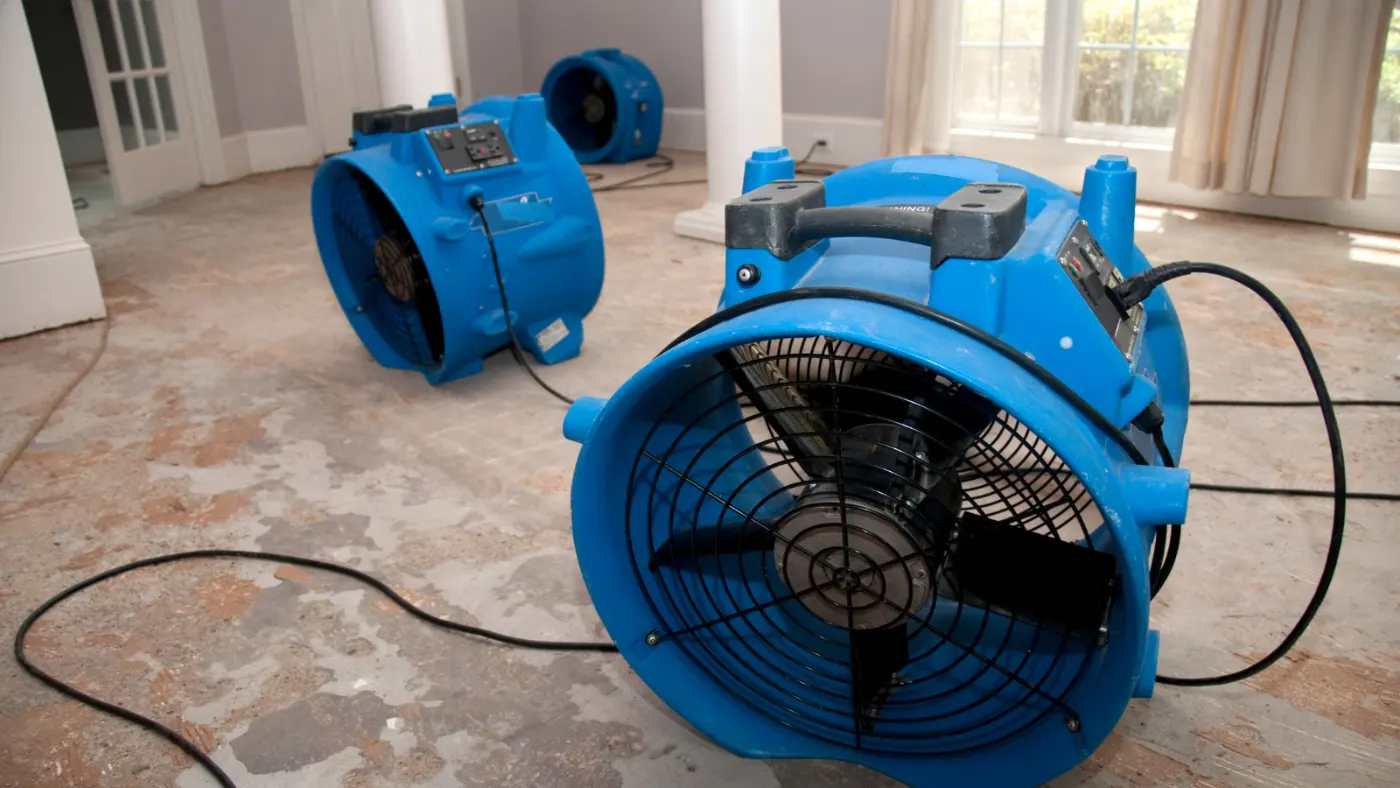
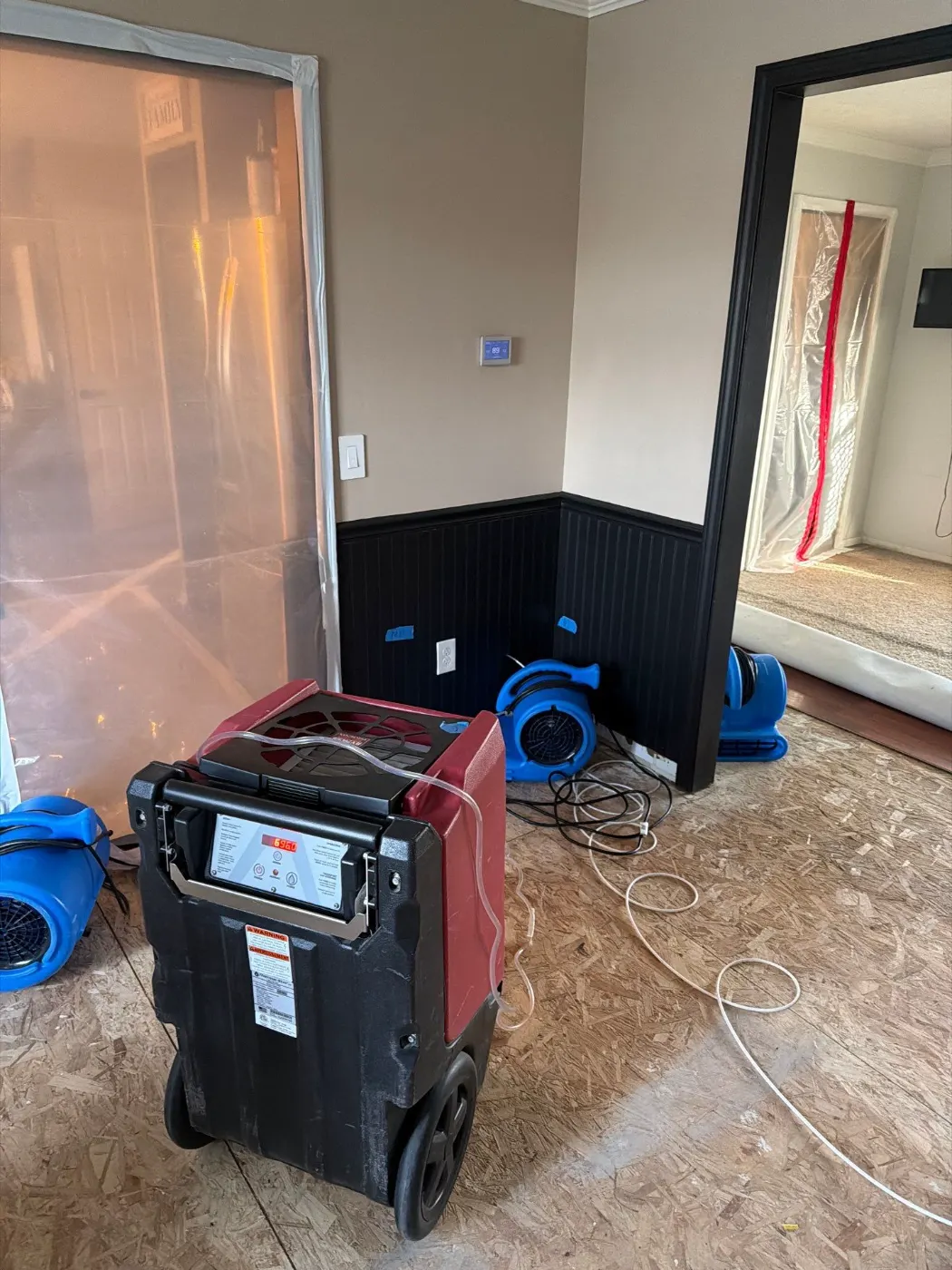
Drying on every Greensburg Water Restoration job runs to readings. Air movers go in at calculated placement around the wet zone, dehumidifiers get sized to the affected cubic footage and the amount of wet material, and moisture content gets logged daily by location and material against unaffected baseline readings taken elsewhere in the same building. Equipment moves as the wet zones shift, and the phase ends when the numbers match the baseline.
If your carrier sends a consultant or an industrial hygienist, Greensburg Water Restoration works to whatever protocol that consultant writes. Crews document against it line by line and hand back readings and photographs mapped to the protocol's requirements. Third party clearance testing gets coordinated through the office team. The hygienist's report and the carrier's decision are theirs, and the crew's job is to make the work verifiable.
A backup found on a Saturday or a holiday morning still needs a crew, and calls to Greensburg Water Restoration get answered on weekends and holidays for Greensburg commercial properties. Tell the dispatcher what you can see and which areas have to reopen first, and the crew plans containment around that.
Signs You Need Commercial Sewage Cleanup
If you notice any of these in your Greensburg building, schedule a free inspection before the issue worsens.
Standing water in a restroom floor drain that stays put after every fixture stops running
Odor that gets stronger the closer you walk to the lowest floor drain
Sewage odor rising from a floor drain that was dry and odorless the week before
Trench drain channels running full and spilling across a kitchen floor during service
Water flowing from under a janitorial closet door into the corridor overnight
Grease standing in an interceptor above the baffle, or visible at the access lid
Kitchen drains running slow again soon after the grease interceptor was pumped
Corridor carpet that feels damp and smells of sewage near a restroom door
A lift station alarm that logged overnight with nobody on site to answer it
An ejector pit high level alarm sounding, or a pit you can see standing full
How Greensburg Water Restoration Handles Commercial Sewage Cleanup
We follow these steps in order on every Greensburg job.
Call Intake and Triage
The dispatcher gathers the address, the affected suite or area, whether the flow has stopped and who can authorize work. Those answers shape the crew's equipment list and the order of the first walkthrough.
Containment and Access Control
Crews build 6 mil poly barriers with zipper entries around the affected area, seal the HVAC openings serving it, and put the zone under negative pressure with HEPA air scrubbers. Entry is limited to crew in PPE for the rest of the job.
Moisture Mapping and Cut Lines
Once the standing waste is out, meters and a thermal camera trace the wet edge across floors and walls. The crew marks cut lines on the walls from those readings and photographs each mark before demolition begins.
Daily Monitoring
A technician returns every 24 hours through the drying phase, logs readings at fixed locations, repositions equipment as the wet zones shift, and photographs any change in scope. The property manager gets an update on progress and what is left.
Independent Testing Coordination
When your carrier or health authority asks for third party testing, the office team schedules an independent hygienist and shares the crew's readings and photographs. The hygienist's report goes to the people who requested it.
Commercial Sewage Cleanup in Greensburg
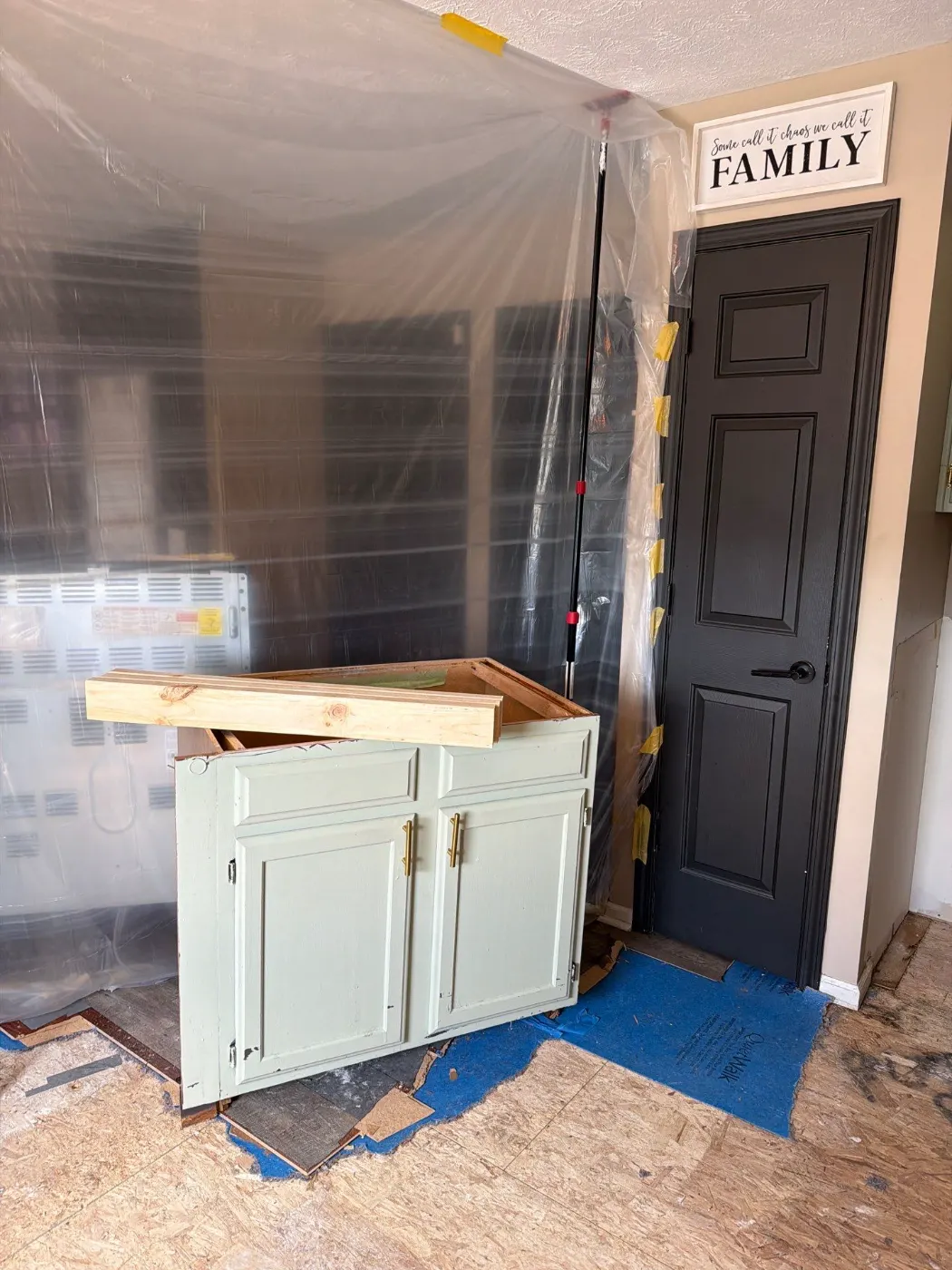
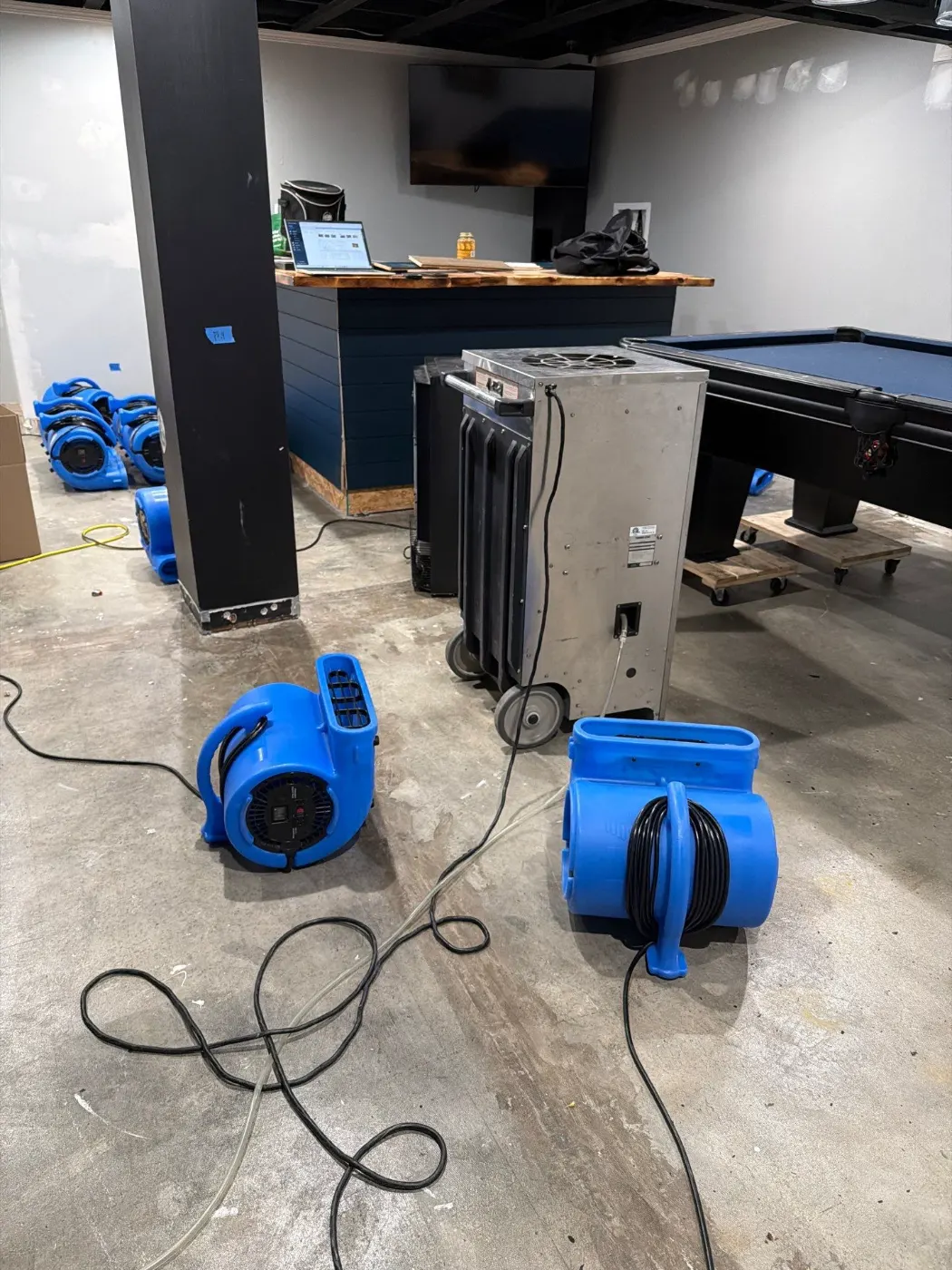
Photographs from real commercial sewage cleanup jobs completed by our crew in Greensburg and surrounding areas.
Commercial Sewage Cleanup FAQ
Questions Greensburg property managers ask us about commercial sewage cleanup.
Guidance and Standards for Commercial Sewage Cleanup
- The ANSI/IICRC S500 is the published standard for professional water damage restoration. The current edition is the Fifth Edition, 2021. IICRC S500 Standard
Greensburg Neighborhoods We Serve
We take commercial sewage cleanup calls in every part of Greensburg. Pick your neighborhood for local details.
Other Restoration Services in Greensburg
Greensburg Water Restoration handles the full scope of restoration work. Explore our other services below.
Water Damage Restoration in Greensburg
24/7 emergency response. IICRC certified water restoration from extraction to full dry out.
Learn more →Basement Flooding in Greensburg
Basement water emergencies handled fast. Extraction, drying, mold prevention.
Learn more →Sewage Cleanup in Greensburg
Category 3 biohazard cleanup. Full containment, decontamination, structural restoration.
Learn more →Request Commercial Sewage Cleanup
Reach Us Directly
Our team is available 24/7 for emergencies and ready to schedule inspections during business hours.
Need Immediate Help?
For active water or mold emergencies, call us directly. We are available 24/7.